
Lagos becomes the first gig-economy hub in the Global South
A new generation of platform workers is reshaping the city's economic map, drawing investors and regulators into an uneasy reconciliation over the future of informal labour.
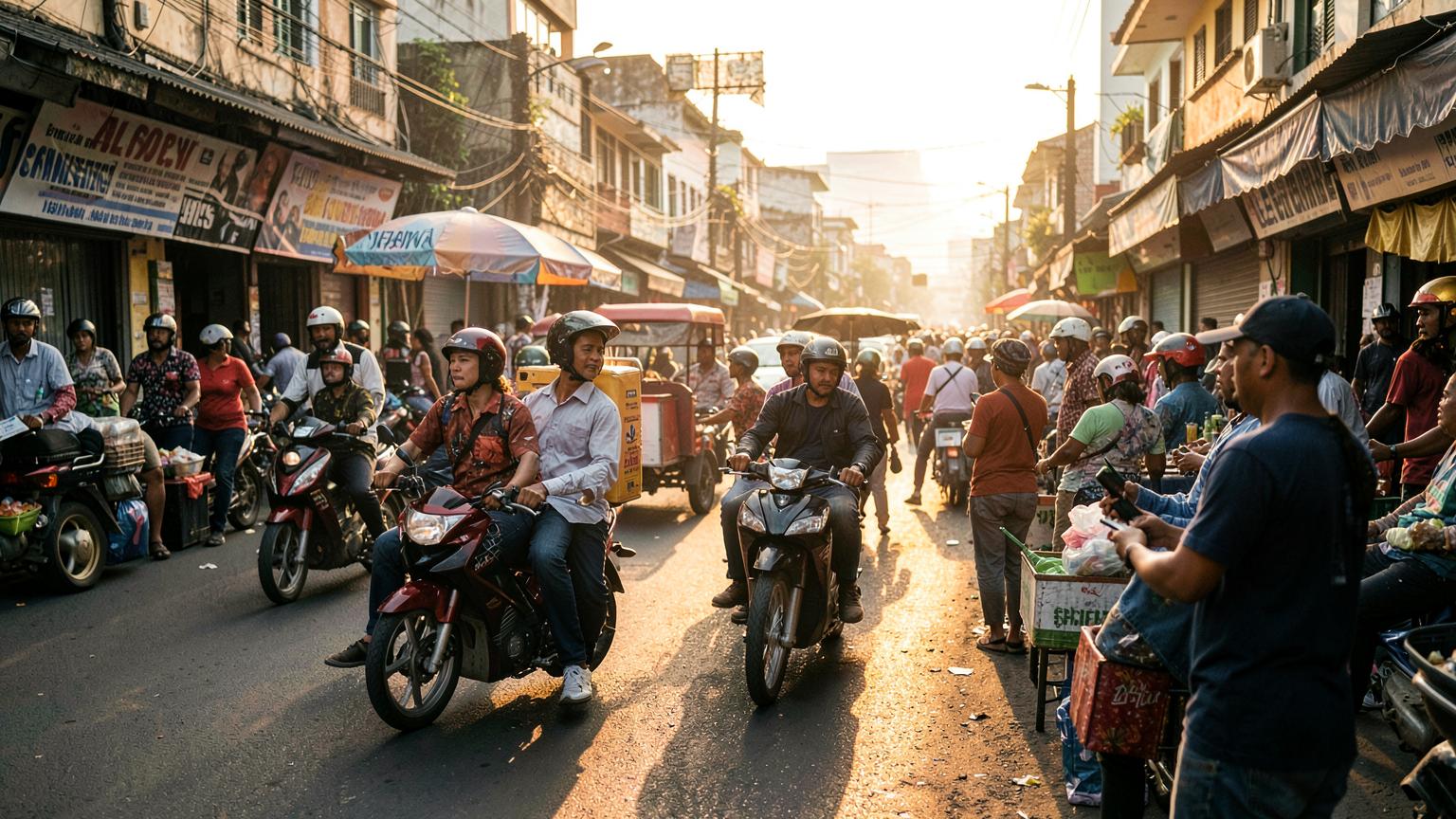
A new map of work
For decades, Lagos ran on informal trade — markets, okada riders, hand-to-hand commerce. What is happening now is the translation of that energy onto platforms: ride-hailing, delivery, freelance design, remote customer service.
The shift is uneven. Earnings fluctuate with surge pricing. Protections lag behind the contracts they replace. Yet for a generation that came of age with a smartphone in hand, the platform is the default employer, and the city is quietly becoming the most observed labour market in the Global South.
The regulators arrive
Officials are watching the data. New rules on classification, insurance and dispute resolution are being drafted — not to kill the gig economy, but to keep its promise from curdling. The bet is that a city that learned to move millions daily can also teach the world how to govern work that has no office.